
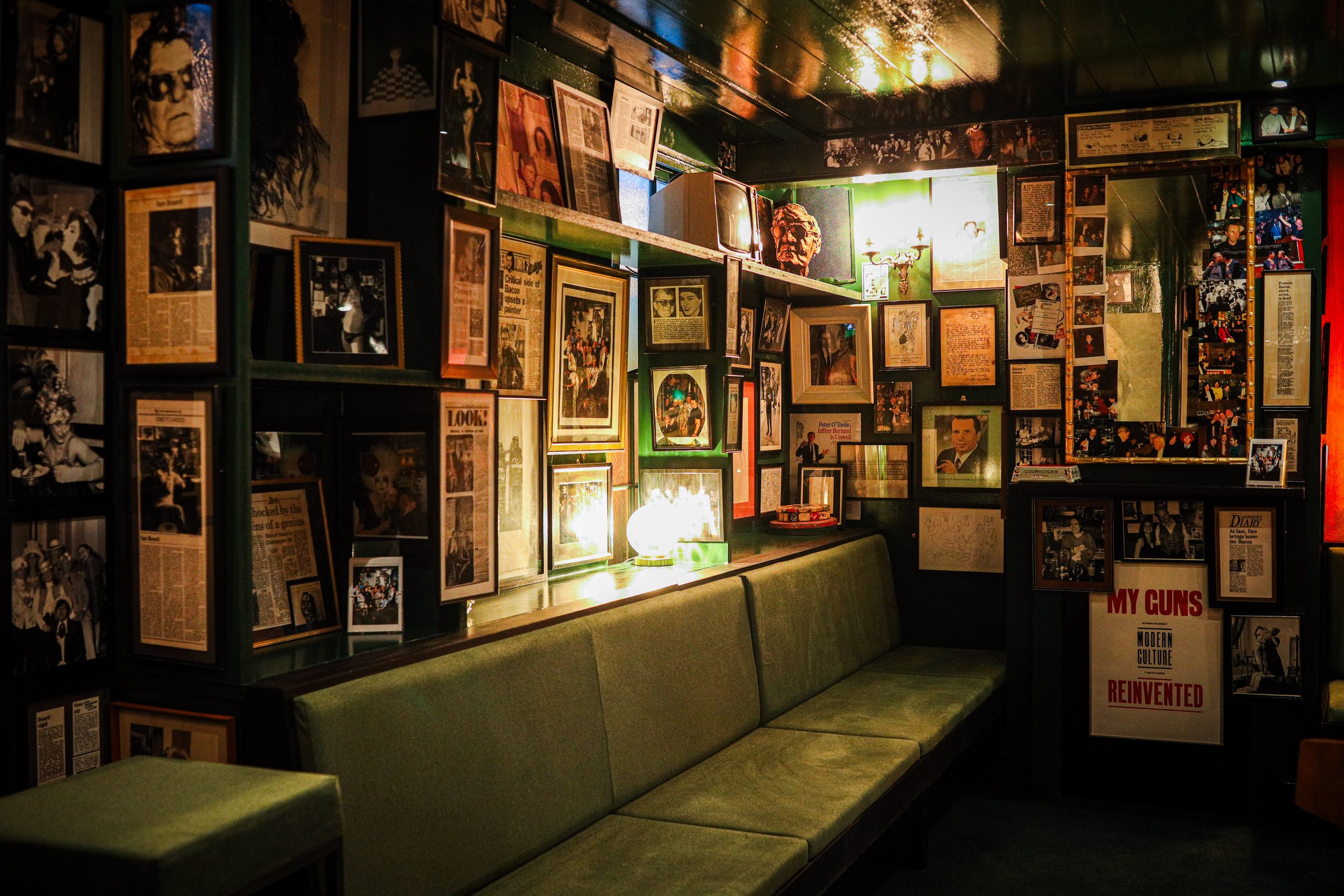
Soho's historic Colony Room Club…
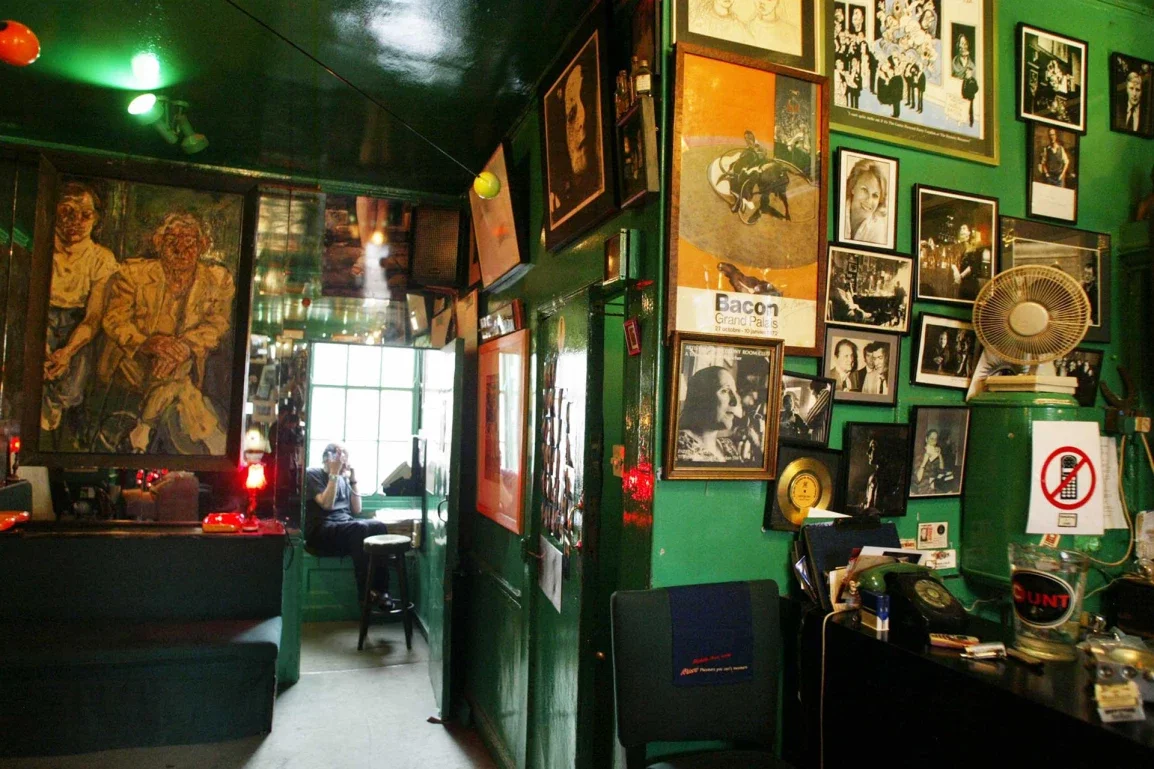
Colony Room opened in 1948 in Soho, founded by the formidable Muriel Belcher, who created a space unlike any other—a private members’ club where the artistic, the eccentric, and the provocative were not just welcomed, but celebrated. From its earliest days, the decor was already telling: bamboo, dim lighting, a sense of intimacy and edginess that set the tone for decades to come.
© Amelia Troubridge
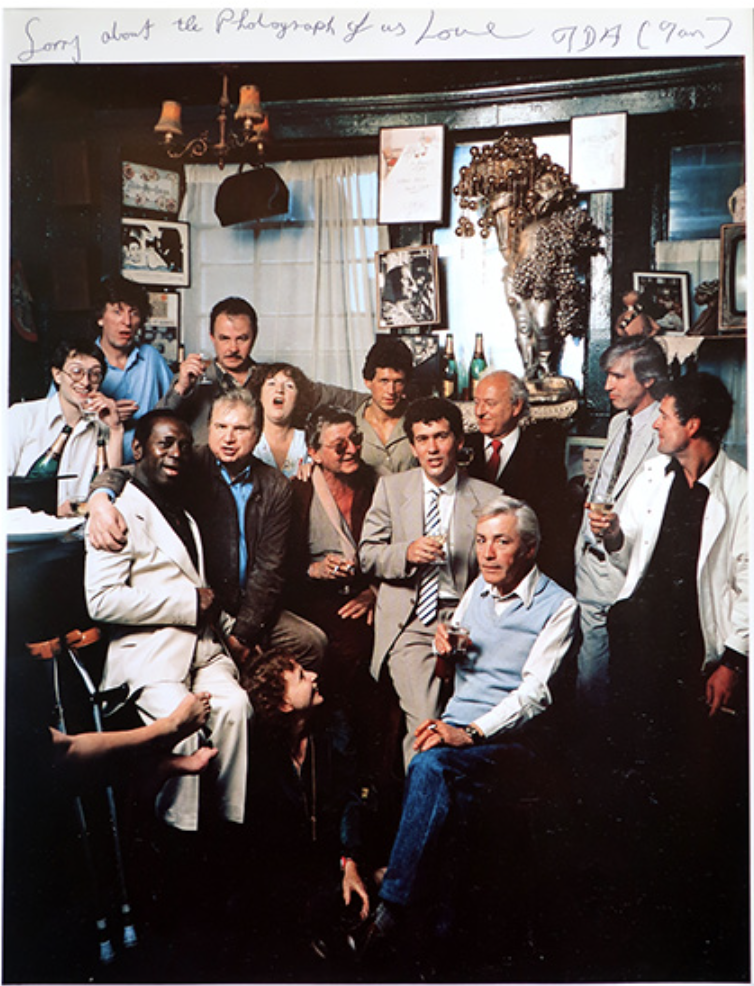
Over the years, Colony Room became a magnet for painters, writers, musicians, and bohemians. Figures such as Francis Bacon and Lucian Freud found not only refuge, but community here. It was a place where the rules of polite society were bent, if not broken: patrons dared to be candid, outrageous, vulnerable. The decor, the regulars, the barstools—all contributed to an atmosphere where art was part lifestyle, part rebellion.
Through the 1960s, ’70s and ’80s the club’s personality developed under successive proprietors—Muriel Belcher, then Ian Board and later Michael Wojas—each bringing something new. Yet the Colony Room always retained its core: a fiercely private, fiercely creative space, full of rumoured conversations, collaborations, rivalries, and captivation.
©The Colony Room Archive®
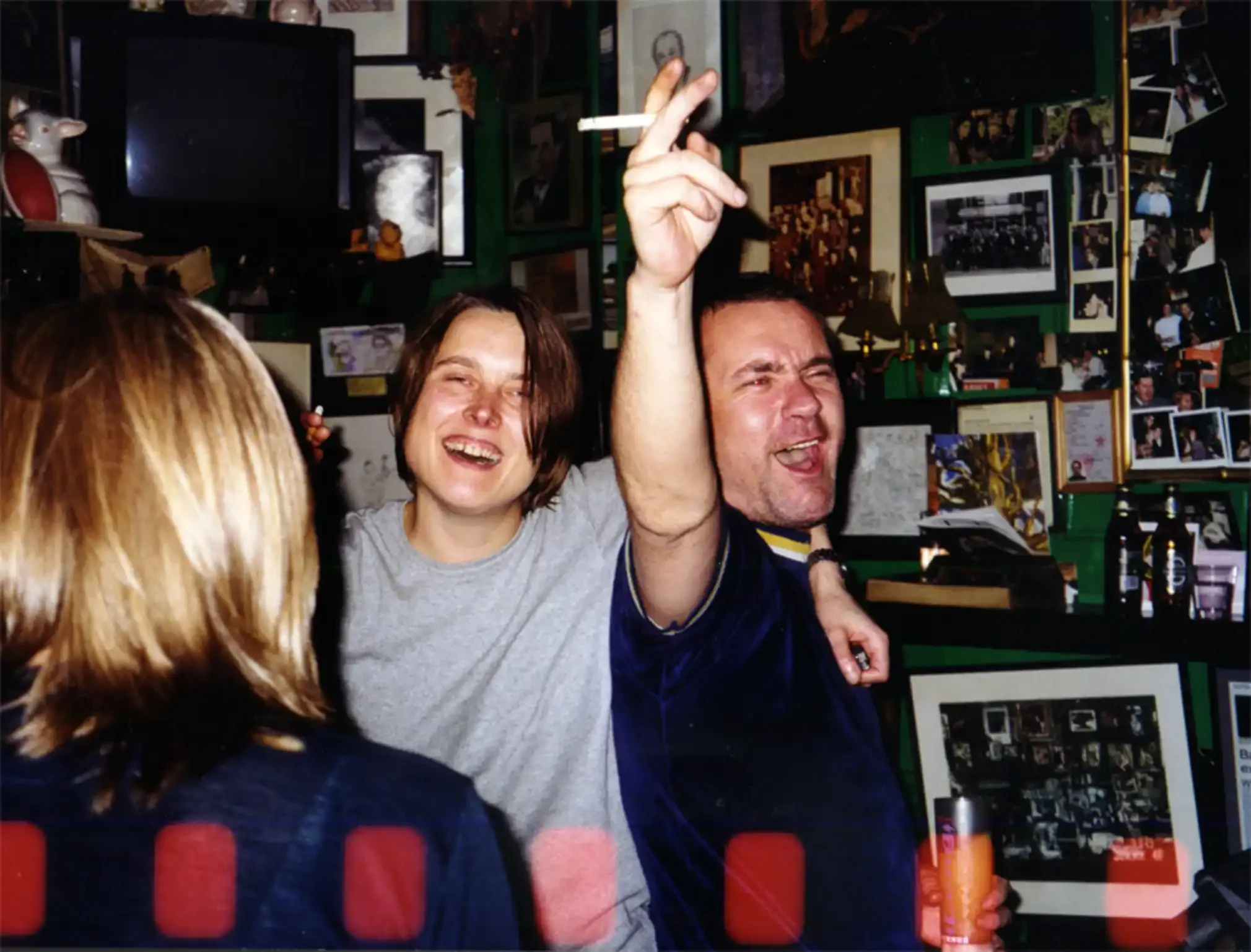
© Pascal Latra courtesy of The Colony Room Archive®
Artistic Hub: From Bacon & Freud to the YBAs
During the 1990s a new wave of artists—the Young British Artists (YBAs)—gravitated toward the Colony Room. Damien Hirst, Sarah Lucas, Tracey Emin and others were drawn in, not only for its history, but for its spirit: permission to experiment, to shock, to be raw. Hirst, for example, contributed a piece—his spot painting—which hung above the bar (wrapped in clingfilm, no less) as an emblem of art becoming part of the everyday fabric of the club.
Why the Colony Room Still Matters
The Colony Room was more than a venue—it was a crucible. It shaped trajectories, fostered candour and risk, and gave artists a place to be themselves, without compromise. The many legends who passed through its doorway—Bacon, Freud, Emin, Hirst—were not just clients or members but active participants in an ongoing performance of modern art in Britain.
Today, the Colony Room’s spirit is alive on Heddon Street. Artist Darren Coffield has curated a space that pays homage to the original club—part bar, part living art installation—where guests can step inside history and raise a glass among the legends. It’s the closest you’ll get to the infamous Soho room: a place that still celebrates creativity, risk-taking and the thrill of artists colliding over a drink.
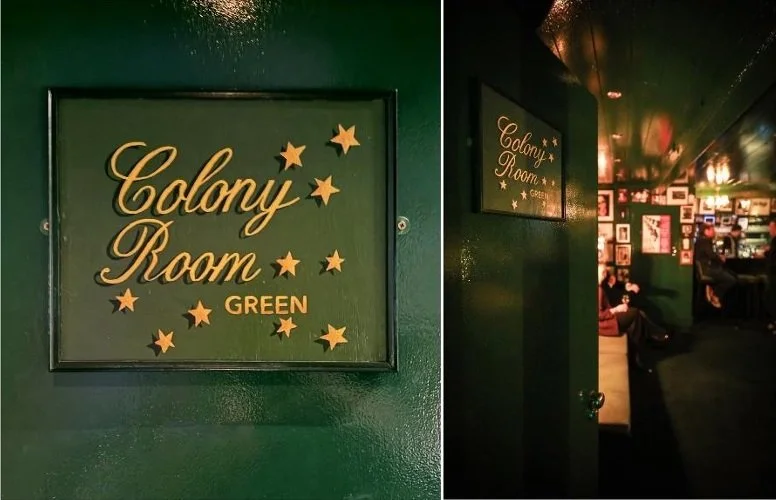
© Darren Coffield
Contact us
Interested in working together? Fill out some info and we will be in touch shortly. We can’t wait to hear from you!